
Listen to this article
Prefer listening? Hear the full article at your pace.
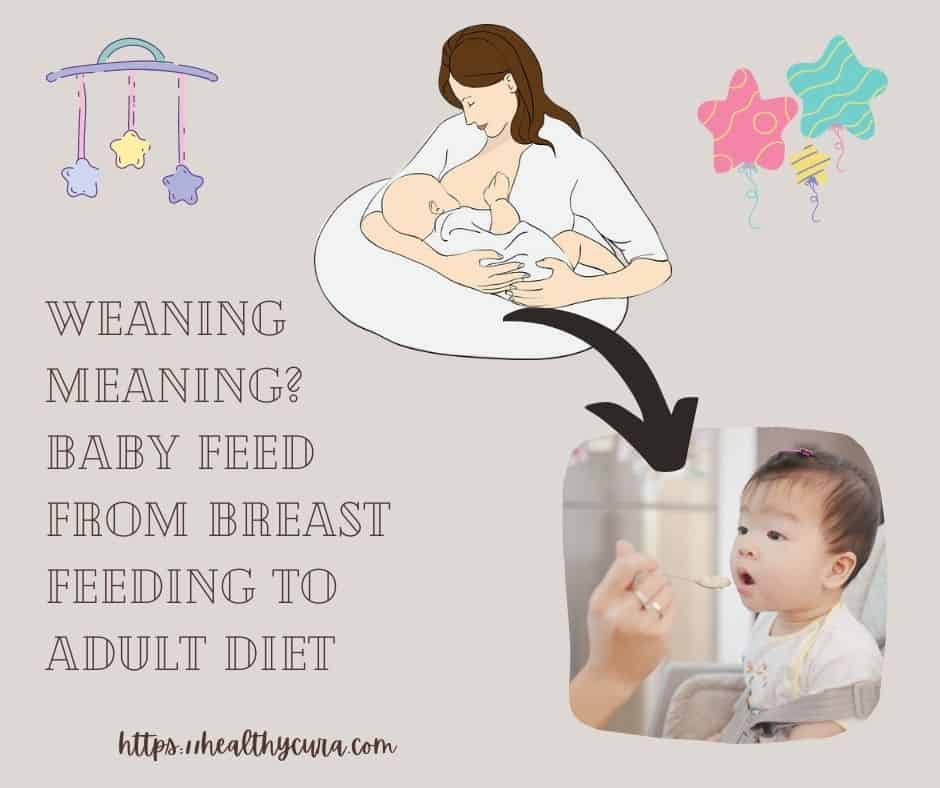
Baby weaning has two meanings: starting solid foods alongside milk feeds, and gradually stopping breastfeeding. These are different steps. Introducing food at around six months does not mean your baby should stop receiving breast milk or infant formula.
This guide explains readiness, first foods, choking precautions and a gradual approach to reducing breastfeeds. Your baby’s age, development and health matter more than a rigid timetable.
What does weaning mean?
When people discuss first foods, weaning usually means complementary feeding: adding foods to a baby’s milk-based diet. In breastfeeding discussions, it can mean reducing or ending breastfeeds. Clarify which change you are planning before choosing advice.
The World Health Organization recommends exclusive breastfeeding for the first six months, followed by complementary foods with continued breastfeeding for two years or longer. Starting solids is therefore not a deadline for ending breastfeeding.
When is a baby ready for weaning foods?
Start around six months when these three signs appear together:
- Your baby can maintain a sitting position and hold their head steady.
- They can coordinate looking at food, picking it up and bringing it to their mouth.
- They can swallow food rather than push it straight back out.
Chewing fists, wanting extra milk or waking more often at night do not, by themselves, show readiness. Starting solids does not guarantee longer sleep. For a baby born prematurely, ask their healthcare team about timing. See the NHS readiness guide.
Before shopping for equipment, write down two questions: “Does my baby show all three signs?” and “Do we need advice because of prematurity or a feeding difficulty?” This keeps the decision focused on your child rather than the age printed on a food packet.
First foods: variety, texture and milk feeds
Begin with a small amount and gradually offer different foods and textures. Suitable options include soft cooked vegetables, mashed fruit, well-cooked mashed lentils, boneless meat or fish, iron-fortified cereal and pasteurised plain full-fat yoghurt. Include iron-containing foods as the diet expands.
You can offer food on a spoon, let your baby self-feed suitable finger foods, or combine both. Progress beyond smooth purées as your baby can manage other textures. Breast milk or first infant formula remains important during this transition. The NHS first-foods guide explains these approaches.
A useful kitchen routine is to set aside the baby’s portion before adding salt or sugar to a family meal. Then check its temperature, texture and ingredients. A shared family meal does not mean serving an infant an unchanged adult portion.
Prevent choking during baby weaning
Seat your baby upright in a safe high chair with its harness secured. Stay beside them and watch throughout the meal. Do not use an ordinary dining chair propped up with pillows as a substitute for safe seating.
Preparation matters. Avoid whole nuts, hard raw carrot or apple, uncut grapes, popcorn, bones, tough meat chunks and thick spoonfuls of nut butter. Cook, mash or reshape foods to suit your child’s skills. Keep meals calm; do not feed a child while they are walking, lying down or riding in a car. See CDC choking precautions.
Never add cereal, fruit purée or other solid food to a feeding bottle. This can cause choking. Bottles are for breast milk or infant formula, not for delivering a meal. The CDC bottle-feeding guide also warns against propping bottles or forcing a baby to finish.
Ask a qualified professional to teach you infant choking first aid before you need it. Keep that training separate from experimenting with new recipes; a list of “baby-friendly” foods cannot replace preparation and supervision.
Allergens and foods to avoid
Foods such as egg, peanut, wheat and fish can be introduced from around six months in suitable forms, one allergenic food at a time. If tolerated, include them regularly. Use fully cooked egg and a safely thinned or mixed nut butter, rather than whole nuts or sticky spoonfuls.
If your baby has eczema, a diagnosed allergy or a family history of allergic conditions, discuss introduction with their clinician first. Stop a food that appears to cause a reaction and seek advice. Breathing difficulty or throat or tongue swelling is an emergency: call your local emergency service. Read the NHS infant allergy guidance.
Do not give honey before 12 months because of infant botulism risk. Avoid unpasteurised dairy, sugary drinks and high-salt foods. Juice is not recommended before 12 months. These are separate safety issues from whether your baby likes a particular taste. The CDC foods-to-avoid guide gives more examples.
How to stop breastfeeding gradually
If you want to reduce breastfeeding, usually drop one feed at a time. Allow you and your baby to settle into that pattern before reducing another. Gradual changes can help reduce breast engorgement and mastitis risk.
For a baby under one year, replace a dropped breastfeed with infant formula if you are stopping that milk feed. Cow’s milk is not a suitable main drink before the first birthday, although it can be used in food from around six months. A child over one eating a varied diet may not need a replacement feed. Ask for individual advice where growth, allergy or dietary restrictions are concerns.
There is no requirement to stop all breastfeeds when your baby starts eating three meals. Night feeds and comfort feeds need an individual approach too. A breastfeeding specialist can help with painful feeding, supply concerns or a difficult transition. See NHS guidance on stopping breastfeeding.
A simple planning checklist
- Name your goal: starting solids, reducing breastfeeds, or both.
- Check readiness: note developmental signs and questions for the healthcare team.
- Plan the setting: safe seating, an attentive adult and enough time.
- Prepare one option: check texture, temperature and allergen ingredients.
- Record concerns: take feeding or growth questions to your baby’s clinician rather than forcing progress.
If illness interrupts feeding, seek advice when your baby is feeding poorly or seems unwell. Our fever warning-sign guide explains why fever in a young infant needs prompt assessment. Weaning is a gradual learning process, not a race to replace milk or finish adult-sized meals.
About this information
HealthyCura shares health and wellness information for general reading. This article does not replace professional medical advice, diagnosis or treatment.