Listen to this article
Prefer listening? Hear the full article at your pace.
Antioxidants are substances involved in the body’s protection against damage from highly reactive molecules. Some occur naturally in foods, and the body also has its own defence systems. However, finding antioxidant activity in a laboratory does not prove that a food or supplement prevents disease in people.
This guide explains the science in plain language, gives everyday food examples and helps you assess supplement claims. There is no universal milligram target for a mixed category called “antioxidants.” Individual nutrients have their own requirements.
What are antioxidants and free radicals?
The National Cancer Institute explains that free radicals are reactive chemicals formed naturally in the body. They have roles in normal cell processes, but high concentrations can damage components such as DNA and cell membranes. Exposure to factors such as smoke can also contribute to their formation.
Antioxidants interact with these reactive substances. The term covers different compounds and systems rather than one nutrient. It is therefore too simple to say that every free radical is bad or that taking more antioxidants always improves health.
NCCIH describes oxidative stress as an imbalance that can damage cells. The body regulates these pathways through prevention and repair mechanisms, including antioxidant enzymes. Foods and supplements are only part of this much larger picture.
Antioxidants in food: familiar examples
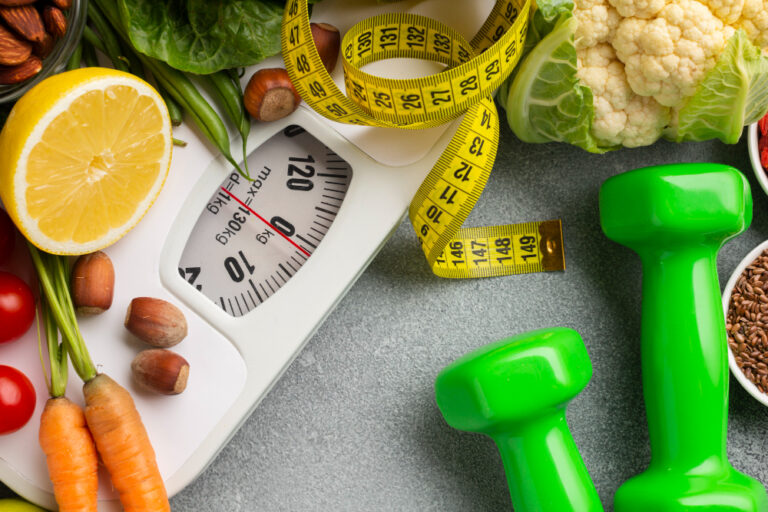
Start with a varied diet rather than searching for one “superfood.” Different foods contribute different nutrients. A useful shopping list includes options you enjoy, can afford and can prepare regularly.
| Nutrient | Food examples | A practical meal idea |
|---|---|---|
| Vitamin C | Oranges, peppers, kiwifruit and strawberries. | Add a pepper to a familiar meal or choose a piece of fruit. |
| Vitamin E | Almonds, sunflower seeds and sunflower oil. | Use a small portion of seeds as a topping if suitable for your diet. |
The NIH Office of Dietary Supplements lists these sources in its vitamin C and vitamin E fact sheets. Vitamin C is water-soluble; vitamin E is fat-soluble. They should not be grouped together as if they behave identically.
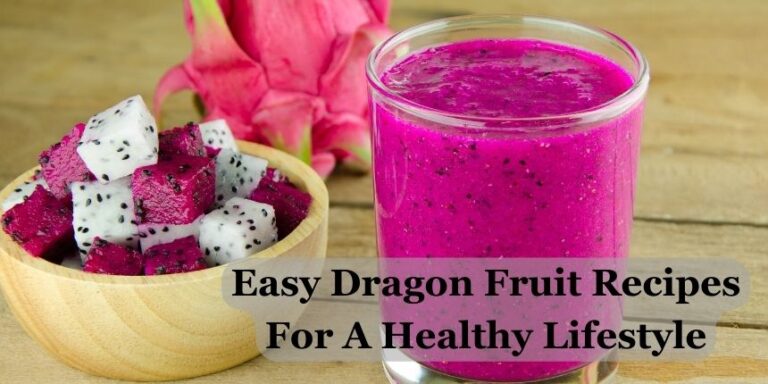
Food also provides components beyond antioxidants. For example, choosing fruit is a different decision from taking a capsule containing one isolated substance. Our dragon fruit nutrition guide explains one fruit’s benefits and the limits of the evidence.
Do antioxidant supplements prevent cancer?
Evidence from a test tube is a starting point for research, not a clinical recommendation. Researchers need to know whether a specific product improves meaningful outcomes in people and what risks accompany it.
The National Cancer Institute reports that major randomised trials did not establish a general benefit of antioxidant supplements for primary cancer prevention. Some trials found harm: beta-carotene supplements increased lung-cancer risk in certain high-risk groups, including smokers. This is not a reason to avoid ordinary fruit and vegetables; it is a reason not to equate a high-dose capsule with food.
Do not start a supplement because a label says “cancer-fighting,” “detox” or “anti-ageing.” Ask what human evidence supports the exact ingredient, dose and proposed benefit. A mechanism alone is not enough.
When might a supplement be appropriate?
A clinician may recommend a particular nutrient for a documented need. Also, certain combinations studied for age-related macular degeneration may suit selected patients. NCCIH advises discussing those products with an eye-care team. That specific use does not make them a general-purpose antioxidant prescription.
Before starting, bring the full label to a qualified clinician or pharmacist. Explain your medicines, existing supplements and reason for taking it. Ask whether you need the product, what dose is appropriate and when to review it.
Antioxidant supplement risks and interactions
More is not automatically better. The NIH vitamin E fact sheet warns that high supplemental doses can increase bleeding risk. A nutrient’s presence in food does not establish that a concentrated product is harmless.
If you are receiving cancer treatment, ask your oncology team before taking supplements. NCI’s interaction guidance describes concerns about antioxidant products during chemotherapy or radiation. Effects depend on the treatment and supplement, so do not change prescribed care on your own.
Pregnancy, breastfeeding and giving supplements to children also require individual advice. Keep a complete list of products, including powders and herbal mixtures, so the care team can check for overlap or interactions.
A simple food-first plan
- Review a normal week: note which meals already include fruit, vegetables, nuts or seeds.
- Choose one manageable addition: buy a food you can use in more than one meal rather than an expensive product you may not enjoy.
- Plan around your needs: adapt choices for allergies, budget and any medical dietary restrictions.
- Review supplement claims separately: do not let a health slogan replace questions about the actual product.
This is a planning exercise, not a treatment for a deficiency or a disease. If your food intake is very restricted or you have symptoms that concern you, ask for assessment rather than diagnosing an “antioxidant deficiency.”
Frequently asked questions
Should everyone take 500–1,000 mg a day?
No. That is not a valid target for all antioxidants combined. Requirements depend on the individual nutrient, age and circumstances. Use nutrient-specific guidance when appropriate.
Can antioxidant skincare replace sunscreen?
No. A serum is a different product from sun protection. Our vitamin C serum guide explains possible cosmetic benefits, limitations and precautions.
Is the highest antioxidant score the best food?
A laboratory ranking cannot tell you everything about a meal or your health. Consider the whole food, serving and overall eating pattern instead of selecting only by a marketing score.
Antioxidants are part of normal biology, not a shortcut to preventing every illness. Build a varied diet and reserve supplements for a clear, individually assessed purpose.
About this information
HealthyCura shares health and wellness information for general reading. This article does not replace professional medical advice, diagnosis or treatment.