Listen to this article
Prefer listening? Hear the full article at your pace.
Mouth ulcer treatment usually focuses on easing pain and avoiding irritation while a minor sore heals. Many common canker sores settle within one to two weeks. However, a sore that persists, keeps returning or makes drinking difficult deserves an examination rather than repeated home remedies.
A burning mouth does not automatically mean you have an ulcer. This guide explains common sores, supportive care, professional treatment and signs that should prompt a dental or medical visit.
What is a mouth ulcer?
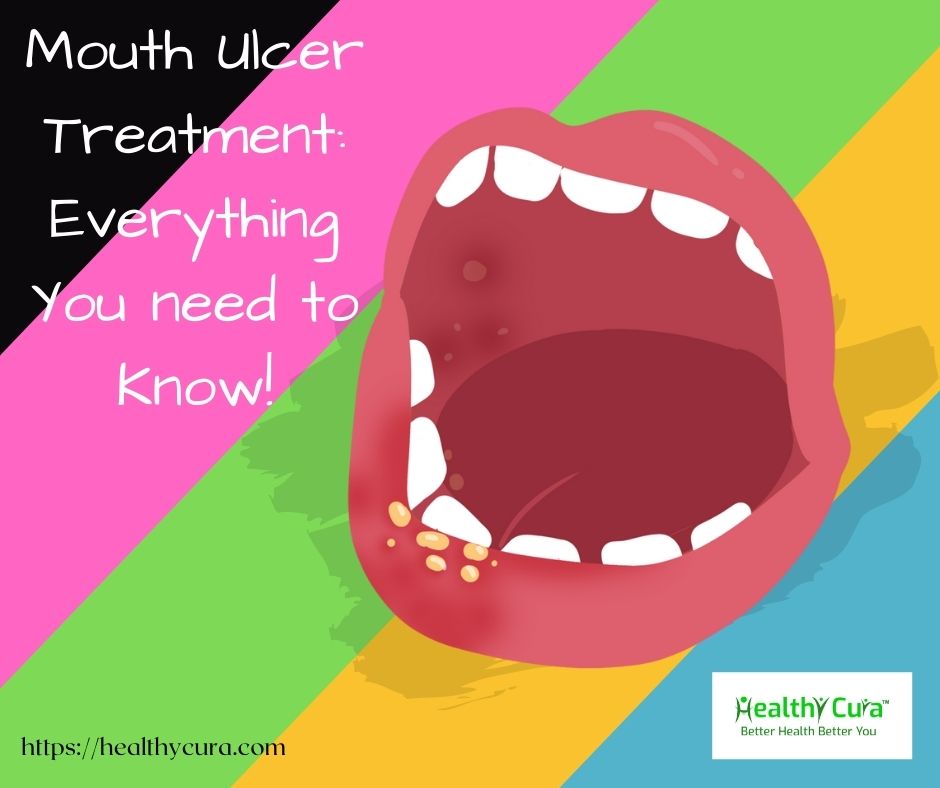
A canker sore, also called an aphthous ulcer, is a painful sore inside the mouth. It often has a white or yellow centre with a red border. These sores commonly affect the inside of the lips or cheeks, tongue or gums.
Cold sores are different. They commonly appear as clusters of fluid-filled blisters around the lips and are linked to herpes infection. Canker sores are not contagious. Location and appearance help a professional assess a sore, but do not rely on a photograph alone to diagnose yourself. See the NIDCR comparison of cold sores and canker sores.
Different types, not stages of one illness
Minor, major and herpetiform canker sores are categories, not steps through which every ulcer progresses.
| Type | Typical features |
|---|---|
| Minor | Small sores, usually healing within one to two weeks without scarring. |
| Major | Larger, deeper sores that can take several weeks to heal and may scar. |
| Herpetiform | Clusters of tiny sores, sometimes merging together; the name does not mean herpes infection. |
The Mayo Clinic symptoms guide explains these differences. A long healing time described for a type is not a reason to leave your own unexplained sore unchecked.
What can trigger recurrent ulcers?
The exact cause of canker sores is not always clear. Possible triggers include a mouth injury, biting the cheek, brushing too hard, stress, some foods or medicines. Low levels of certain nutrients, including vitamin B12, folate, zinc or iron, can be associated with ulcers. Recurrent sores may also occur with conditions such as coeliac disease or inflammatory bowel disease.
See Mayo Clinic’s explanation of possible causes. Having a sore does not by itself establish a deficiency, food allergy or digestive disease.
Keep a short record of repeated episodes: when each sore appeared, where it was, whether a tooth or appliance rubbed that area, and which products you used. Bring the record to your appointment. Avoid cutting out several food groups at once based on a suspected trigger.
Mouth ulcer treatment at home
For a small, familiar sore without concerning symptoms, reduce irritation while it heals:
- Use a soft toothbrush and choose softer foods.
- Avoid spicy, acidic, very salty or rough foods that sting the area.
- Choose cool drinks instead of very hot or acidic drinks.
- Consider a toothpaste without sodium lauryl sulphate if your current one irritates your mouth.
- For a saline rinse, dissolve half a teaspoon of salt in a glass of warm water, rinse and spit it out. Do not swallow it.
These measures come from NHS mouth-ulcer guidance. A rinse is suitable only for someone who can reliably spit it out. For a child, ask a pharmacist or dentist which approach is appropriate.
Do not interpret more stinging as proof that a remedy is working. If a product worsens pain, stop using it and discuss a suitable alternative. There is no need to keep applying kitchen ingredients to an open sore.
Pharmacy and prescription treatments
A dentist or healthcare professional can assess a typical canker sore by examining your mouth and discussing symptoms. Severe, persistent or frequent ulcers may need tests for another condition. Treatment options include topical products, mouth rinses and, in selected cases, prescription medicines.
Ask which product suits the diagnosis and your age, how to apply it, and how long to use it. Steroid treatment needs professional guidance. Nutritional supplements may help when testing shows a relevant deficiency; taking several high-dose supplements is not a routine solution. See Mayo Clinic’s treatment overview.
Before buying another product, take the packaging or a list of active ingredients to the pharmacist. Explain what you have already tried and whether you are taking other medicines. This makes the conversation more useful than asking for the strongest gel.
When to see a dentist or doctor
Book an assessment if a sore is large, repeatedly returns, interferes with eating or drinking, or accompanies fever. Mayo Clinic advises assessment for sores lasting two weeks or longer. NHS guidance specifically says to have an ulcer lasting more than three weeks checked. Do not delay if the sore is worsening or unusual.
A persistent sore does not automatically mean cancer, but it should not be dismissed. The NIDCR oral-cancer guide advises evaluation of symptoms lasting more than two weeks, including a mouth sore, lump, red or white patch, numbness or difficulty swallowing.
At the appointment, ask whether the sore is a typical aphthous ulcer, an injury or something else. Also ask when to return if it does not heal. That follow-up plan is as useful as the first treatment recommendation.
Reduce repeat irritation and plan follow-up
Arrange a dental check if braces, dentures, a rough filling or a sharp tooth rubs the area. Maintain gentle daily oral care rather than scrubbing the sore. Our oral hygiene guide covers brushing and other everyday habits.
For your next episode, use a simple three-step plan: record the start date, choose a suitable comfort measure, and set a date to reassess healing. If symptoms change, seek help sooner. Mouth ulcer treatment should make eating and drinking easier while keeping persistent or unusual lesions on a clear path to assessment.
About this information
HealthyCura shares health and wellness information for general reading. This article does not replace professional medical advice, diagnosis or treatment.